
2026 5G Antenna Market Trends: The Convergence of Sub-6GHz and mmWave Technologies
As global 5G commercial networks accelerate deployment, antenna technology is undergoing unprecedented transformation. This article analyzes key 2026 antenna market trends including Sub-6GHz band optimization, mmWave antenna commercialization, and MIMO technology breakthroughs.
Introduction
In 2026, global 5G subscribers have exceeded 4.5 billion, with network coverage surpassing 85% across major economies. As one of the most critical components in wireless systems, antenna technology directly determines network performance limits.
Sub-6GHz: From Coverage to Capacity
Multi-Band Integration
Traditional single-band antennas are being replaced by wideband/multi-band designs. Today's Sub-6GHz 5G antennas must simultaneously support:
- n78 band (3.3-3.8GHz) — The most mainstream global 5G mid-band
- n77 band (3.3-4.2GHz) — Covering North America and Japan
- n79 band (4.4-5.0GHz) — Supplemental band for Japan and China
- n41 band (2.496-2.69GHz) — Core band for US T-Mobile
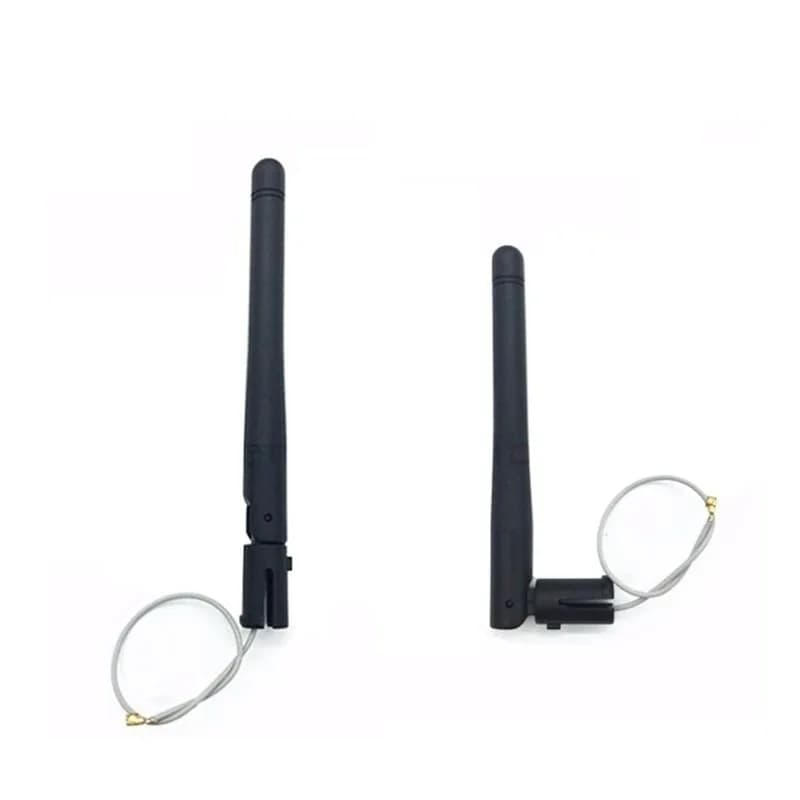
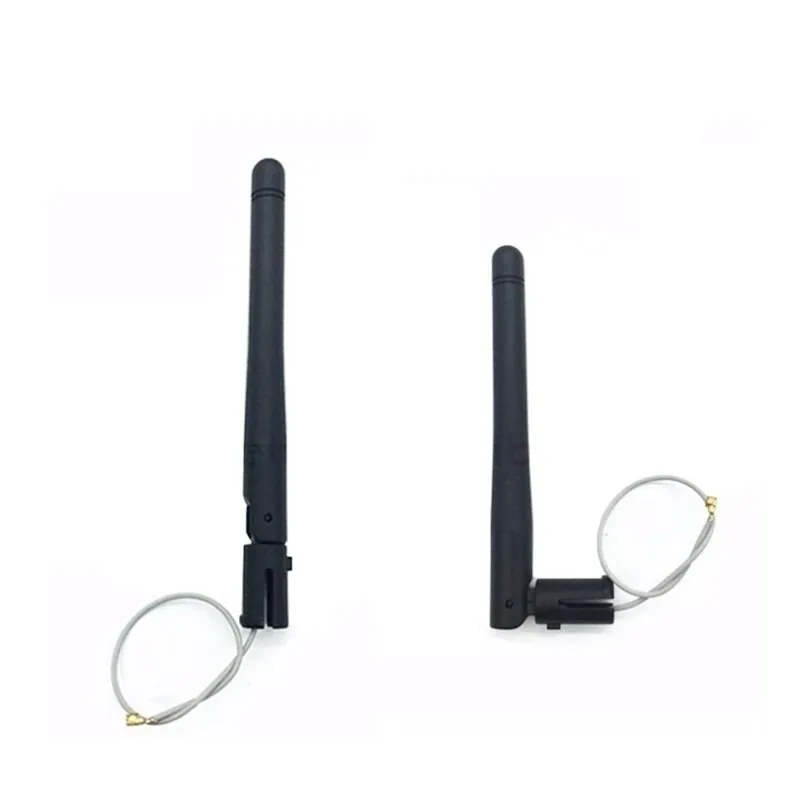
This demands instantaneous bandwidth of 600MHz or wider while maintaining compact form factors. ANTENNOVATE WIRELESS LTD's rubber antenna series employs patented wideband matching network designs, enabling single-antenna coverage across 700-6000MHz.
Massive MIMO at Scale
64T64R and 32T32R Massive MIMO antenna arrays are now standard for urban base stations. Key 2026 advances include:
- 3D beamforming achieving 40% single-sector capacity improvement
- GaN PA efficiency reducing system power consumption by 25%
- AI-driven beam management dynamically adjusting coverage based on traffic heatmaps
mmWave Antenna Commercialization

From Lab to Scale Deployment
mmWave technology reached a true commercial inflection point in 2026:
| Metric | 2023 | 2026 | Change |
|---|---|---|---|
| Outdoor node density (US/Japan) | 2-3/km² | 8-12/km² | +300% |
| Base station antenna cost | $2,500 | $950 | -62% |
| mmWave smartphone penetration | 15% | 32% | +113% |
Core Technology Breakthroughs
- AiP (Antenna-in-Package): Integrating antennas directly into chip packages, reducing terminal module volume by 50%+
- Lens antennas: Using dielectric lenses for high-gain narrow beams, extending effective range 3x
- Silicon phased arrays: Mass production driving per-channel cost below $0.50
IoT Antenna Explosive Growth
Market Scale
Research firms project 18.7 billion global IoT connected devices in 2026:
- Smart city devices: 28%
- Industrial IoT: 22%
- Consumer IoT: 35%
- Connected vehicles (V2X): 15%
This creates massive opportunity for embedded antennas (FPC, PCB) and miniaturized external antennas (rubber duck, spring).

Technical Requirements by Application
| Requirement | Specification | Recommended Product |
|---|---|---|
| Ultra-miniature | < 20mm² | FPC antenna, ceramic antenna |
| Multi-band | 2.4G+5.8G+Sub-1G | Wideband PCB antenna |
| Low power | High radiation efficiency (>70%) | LDS antenna |
| Low cost | < $0.50/pc | Stamped antenna |
| Harsh environment | IP67+ | Fiberglass outdoor antenna |
Market Forecast & Opportunities
According to Grand View Research 2026 reports:
- Global antenna market size projected at $28.7 billion (up from $24.5B in 2025)
- CAGR maintained at 8.7%
- Asia-Pacific holds 73% of global manufacturing capacity
Fastest Growing Segments
- Automotive antennas — CAGR 14.2% (autonomous driving C-V2X demand)
- WiFi 7 antennas — CAGR 12.8% (residential and enterprise upgrades)
- Satellite communication — CAGR 11.5% (LEO satellite internet)
- Industrial IoT — CAGR 10.1% (smart manufacturing upgrades)
Conclusion
The 2026 antenna market exhibits three core characteristics: multi-band convergence, miniaturized integration, and intelligent connectivity. For manufacturers and procurement teams, choosing partners with full-category R&D capabilities and rapid customization response is crucial.
ANTENNOVATE WIRELESS LTD, with 20+ years of antenna R&D experience covering the complete product line from FPC to outdoor antennas, is the ideal partner in this evolving landscape.
Data sources: GSMA, Grand View Research, Ericsson Mobility Report 2026