
FPV Drone Antenna Selection: Differentiated Solutions from Racing to Long-Range Aerial Photography
FPV drone video transmission quality directly depends on antenna system performance. Racing drones demand lightweight crash-resistance, aerial photography needs long-range penetration, and freestyle requires balanced performance. This guide compares antenna solutions with real test data.
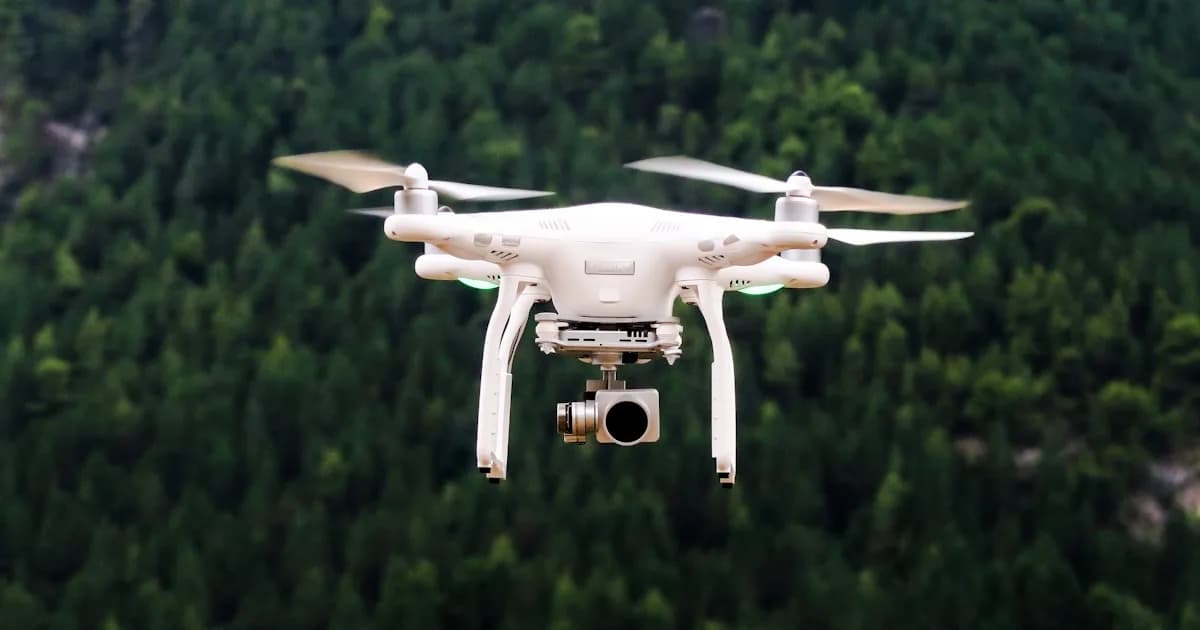
Why Antennas Matter for FPV
In FPV (First Person View) flying, video link stability is directly tied to flight safety. The antenna is the only component that can "freely" improve performance — upgrading antennas requires no power increase (regulated), no transmitter module swap, yet significantly improves received signal quality.
A good antenna vs. a poor antenna can mean:
- 2-5x difference in communication range
- Video stuttering from frequent to virtually none
- Night-and-day difference in obstacle penetration reliability
Key FPV Antenna Parameters
| Parameter | Description | Impact |
|---|---|---|
| Frequency | 5.8GHz (mainstream) / 2.4GHz / 1.3GHz | Determines size and penetration |
| Polarization | Circular (CP) / Linear (LP) | Multipath resistance |
| Gain | dBi / dBic | Range vs. angle coverage |
| Axial ratio | <3dB = excellent CP | Signal stability during maneuvers |
| Bandwidth | Full channel coverage | No dead spots when switching |
| Weight | grams | Flight performance impact |
| Crash resistance | Structural strength | Essential for racing |
Scenario 1: FPV Racing (200-500m)
Requirements
- ⚡ Flight distance: 200-500 meters
- ⚡ Priorities: Lightweight, crash-proof, omnidirectional
- ⚡ Band: 5.8GHz
- ⚡ Typical power: 25mW-600mW (race rules dependent)
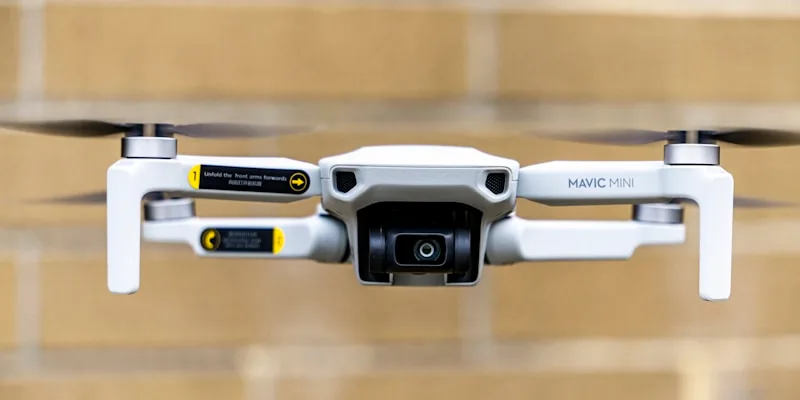
Recommended Antenna Setup
Drone side (TX):
- Clover Leaf or Pagoda antenna
- Recommended: ANTENNOVATE WIRELESS LTD YD-D01 Four-Leaf Clover
- Frequency: 5.8GHz
- Polarization: RHCP (Right-Hand Circular)
- Gain: 2-3dBic
- Weight: Only 6g
- Feature: Flexible PCB structure, crash-resistant
Ground side (RX):
- Omnidirectional circular polarized
- Recommended: YD-D02 Racing receiver antenna
- Gain: 3dBic omnidirectional
- Coverage: 360° with no dead zones
Racing Priority Order
1. Weight < 10g (thrust-to-weight ratio)
2. Crash resistance (racing = crashing)
3. RHCP circular polarization (signal during rolls/flips)
4. Omnidirectional (coverage angle over distance)
5. SMA connector (standardized, easily replaceable)
Scenario 2: Long-Range Aerial Photography (2-15km)
Requirements
- 📡 Flight distance: 2-15 kilometers
- 📡 Priorities: High gain, directional, penetration
- 📡 Bands: 5.8GHz video + 2.4GHz control
- 📡 Typical power: 1W-2W
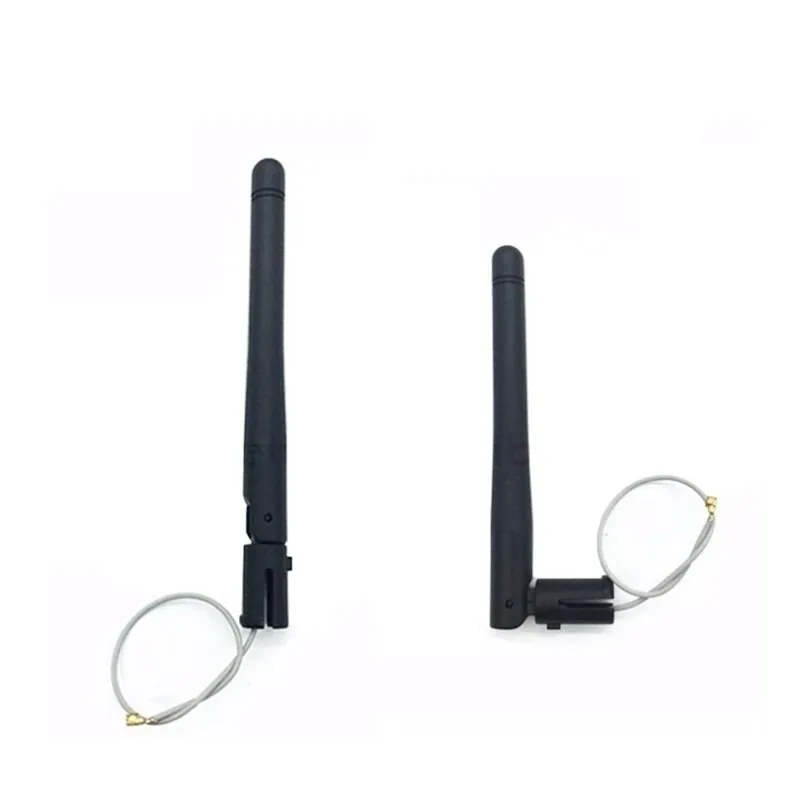
Recommended Antenna Setup
Drone side (TX):
- High-efficiency omnidirectional CP (attitude changes won't affect signal)
- Recommended: YD-D03 Aerial drone antenna
- Gain: 3.5dBic
- Efficiency: >90%
- Coverage: 5.65-5.95GHz full band
Ground side (RX):
- High-gain directional + antenna tracker
- Option A: Patch Array
- Gain: 12-14dBic
- Beamwidth: 30°×30°
- Requires antenna tracker
- Option B: Helical antenna
- Gain: 12-16dBic
- Excellent circular polarization purity
- Larger physical size
Link Budget Example (10km)
Drone TX: 30dBm (1W) + 3.5dBic antenna = 33.5dBm EIRP
Free-space path loss @ 5.8GHz, 10km: 126dB
Ground RX antenna gain: 14dBic
Received signal: 33.5 - 126 + 14 = -78.5dBm

Receiver sensitivity (analog VTX): -90dBm
Link margin: 11.5dB ✓ (reliable communication)
Scenario 3: Freestyle / Exploration (500m-2km)
Requirements
- 🎯 Flight distance: 500m to 2km
- 🎯 Priorities: Balanced performance, durable, medium gain
- 🎯 Band: 5.8GHz
- 🎯 Typical power: 200mW-1W
Recommended Setup
Drone side: Short axial-ratio CP antenna (balancing gain and coverage)
Ground side: Dual-antenna diversity reception
- Omnidirectional (ensures near-field coverage) + Directional (supplements range)
- Or dual omnidirectional cross-polarized diversity
Real-World Test Data
Test Conditions
- Video transmitter: 1W 5.8GHz analog
- Environment: Open suburban area, ground station at 1.5m height
- Evaluation: Maximum range with stutter-free video
| Antenna Combination | Max Stable Range | Building Penetration | Drone Weight |
|---|---|---|---|
| Stock linear dipole | 800m | Poor | 4g |
| YD-D01 Clover (RHCP) + omni RX | 1.5km | Good | 6g |
| YD-D01 + directional patch 12dBi | 5.2km | Good | 6g |
| YD-D03 high-eff + helical 16dBi | 12km+ | Excellent | 9g |
| YD-D03 + dual diversity | 8km (all angles) | Excellent | 9g |
Maintenance & Upgrade Path
Daily Maintenance
- Check connectors: Before every flight, confirm SMA connectors are finger-tight (no wrench needed)
- Inspect antenna condition: Look for bends, cracks, moisture ingress
- Clean contacts: Wipe connector surfaces with isopropyl alcohol
Upgrade Path
Beginner: Stock antenna → Circular polarized (50% range boost)
    │
    ↓
Intermediate: CP antenna → Ground station directional upgrade (200% range)
    │
    ↓
Advanced: Directional + diversity → Antenna tracker + high-gain helical (500%+ range)
Summary
There's no one-size-fits-all "best" FPV antenna — the key is matching your flight scenario:
| Scenario | Drone Antenna | Ground Antenna | Key Metric |
|---|---|---|---|
| Racing | Clover RHCP | Omnidirectional CP | Weight <10g, crash-proof |
| Long-range aerial | High-eff omni CP | Directional + tracker | Gain >12dBi |
| Freestyle | Omni CP | Diversity RX | Balanced performance |
ANTENNOVATE WIRELESS LTD's FPV antenna series covers everything from entry-level to professional, all flight-tested and verified.
Test data from ANTENNOVATE WIRELESS LTD laboratory and partner flight club standardized testing procedures